Special Offer: Get 50% off your first 2 months when you do one of the following
Personalized offer codes will be given in each session
Building Capacity in Africa - Day 1
About This Webinar
Educational event sponsored by International Gaucher Alliance and supported by Takeda
Please find the full event Program here: https://fymcamedical.com/docs/Program_BuildingCapAfrica2021.pdf
Who can view: Everyone
Webinar Price: Free
Featured Presenters
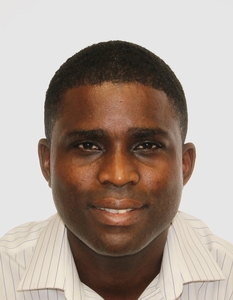
Andrew Olaye is a Pharmacist and Health Economist by background. He has worked in the Pharmaceutical industry and academic institutes for the last 15 years, with the last 10 years in companies dedicated to treatment of rare diseases (Orchard and BioMarin).
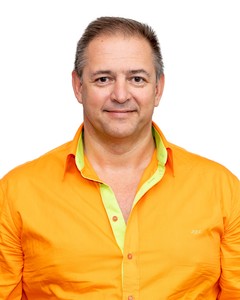
Bob Stevens is the Group CEO of MPS Society & MPS Commercial, he is also Co-Chair of the International MPS Network and Vice-Chair of the LSD Collaborative. Bob’s previous roles include being the Managing Director of a charity supporting people of all ages with learning disabilities and complex needs and indeed he was a Trustee for the MPS Society for over 10 years.
Prior to being involved within the not for profit sector Bob had a successful career in the commercial sector within construction. Bob spent over 10 years operating at Board level alongside his private property development portfolio.
Bob has two sons with MPSII (Hunter’s Syndrome) which is one of the rare genetic diseases that is supported by the MPS Society, he says of his role that it is not a job but ‘a way of life’.
Prior to being involved within the not for profit sector Bob had a successful career in the commercial sector within construction. Bob spent over 10 years operating at Board level alongside his private property development portfolio.
Bob has two sons with MPSII (Hunter’s Syndrome) which is one of the rare genetic diseases that is supported by the MPS Society, he says of his role that it is not a job but ‘a way of life’.
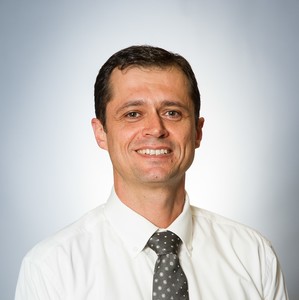
I qualified in 1998 as a medical doctor and in 2007 as a specialist in chemical pathology. I worked in the private health care sector for several years before joining the North-West University in 2010. I am currently the director of the Centre for Human Metabolomics (CHM), a DSI funded entity with the aim of establishing sophisticated metabolomics infrastructure and expertise in South Africa that enables state of the art metabolic research and diagnostics. In this capacity I oversee all diagnostic services and several national and international contract research projects at the CHM. In addition to my director responsibilities, I work as a pathologist and interpret and sign out laboratory reports on a daily base, whenever time permits. My own research interests are in inherited metabolic diseases, small molecule method development and nanodiagnostics. I have acted as supervisor for both Masters and PhD students and have published several publications.
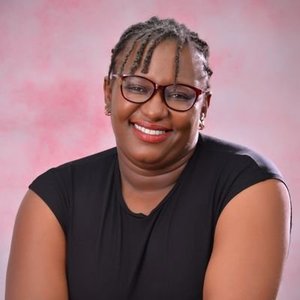
Christine Mutena is an immensely passionate advocate for rare diseases and special needs in Kenya and globally. These causes are deeply personal to her being a mother of two children, both of whom have non-related rare genetic conditions.
Christine is the co-founder of Rare Disorders Kenya, a patient-led organisation that seeks to amplify the unmet needs of the rare diseases community that creates awareness on rare diseases in Kenya, more so through the Rare Disease Day campaign, and to policy makers.
She is also on the Patient Group Engagement Committee of Findacure (2021-2023 term). Findacure is a UK charity organisation that is bringing the rare disease community together to drive research and develop treatments. They are here to transform the world’s understanding of rare diseases and the devastating impact they have on people’s lives.
Christine is also the founder of Step by Stones association, an organization that leverages social media platforms to offer support to its community of special needs parents, caregivers and psycho-social support specialists.
Christine is the co-founder of Rare Disorders Kenya, a patient-led organisation that seeks to amplify the unmet needs of the rare diseases community that creates awareness on rare diseases in Kenya, more so through the Rare Disease Day campaign, and to policy makers.
She is also on the Patient Group Engagement Committee of Findacure (2021-2023 term). Findacure is a UK charity organisation that is bringing the rare disease community together to drive research and develop treatments. They are here to transform the world’s understanding of rare diseases and the devastating impact they have on people’s lives.
Christine is also the founder of Step by Stones association, an organization that leverages social media platforms to offer support to its community of special needs parents, caregivers and psycho-social support specialists.
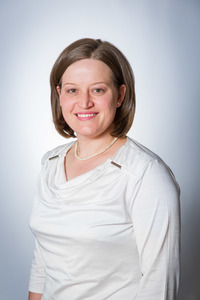
Professional Chemist (PrChemSA). Currently a Senior Subject Specialist in the field of Biobanking and Quality Management at the North-West University’s Centre for Human Metabolomics. Joined the team at the Centre for Human Metabolomics in September 2018 as a research support officer. Passionate about helping to create awareness of rare diseases in South Africa and the importance of establishing the first rare disease biobank on the African continent. Highest qualification obtained is a PhD in Environmental Science and Management (Atmospheric Chemistry), with thesis titled “Spatial and temporal deposition of selected biogeochemical important trace species in South Africa”.
With my current position at the NWU CHM, I am actively involved in the field of rare diseases as the CHM Biobank’s manager. Further operational activities include quality assurance management at CHM, as well as the procurement, development and implementation of STARLIMS and other infrastructure for the CHM biobank, participation within a South African working group to standardize biobanking practices across the country, a member of the International Society for Biological and Environmental Repositories (ISBER), a member of the ISBER Special Interest Group on Paediatric biobanking and a member of the European, Middle-Eastern and African Society for Biopreservation and Biobanking (ESBB).
With my current position at the NWU CHM, I am actively involved in the field of rare diseases as the CHM Biobank’s manager. Further operational activities include quality assurance management at CHM, as well as the procurement, development and implementation of STARLIMS and other infrastructure for the CHM biobank, participation within a South African working group to standardize biobanking practices across the country, a member of the International Society for Biological and Environmental Repositories (ISBER), a member of the ISBER Special Interest Group on Paediatric biobanking and a member of the European, Middle-Eastern and African Society for Biopreservation and Biobanking (ESBB).
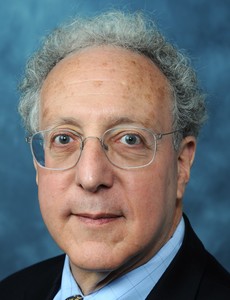
Joel Frader, M.D. is Professor of Pediatrics and Professor of Bioethics and Medical Humanities at Northwestern University’s Feinberg School of Medicine. He is also the Director of the Lurie Children’s Hospital ethics program and a pediatric palliative care clinician at Lurie Children’s Chicago.
Dr. Frader received a B.A. from Columbia University (1970), a M.D. from Tufts (1974), and a M.A. in Sociology from the University of Pennsylvania (1980) where he was a Robert Wood Johnson Clinical Scholar. He is active in and served in leadership positions for national organizations concerned with pediatrics and bioethics. He teaches, consults and conducts research in bioethics and palliative care, focusing on ethical issues involving children in the health care system and innovation in health care. He has special interests in ethical issues regarding the allocation of scarce medical resources, organ transplantation, children with differences in sex development (intersex) and gender nonconformity, decision making at the end of life, and the ethics of human subjects research.
Dr. Frader received a B.A. from Columbia University (1970), a M.D. from Tufts (1974), and a M.A. in Sociology from the University of Pennsylvania (1980) where he was a Robert Wood Johnson Clinical Scholar. He is active in and served in leadership positions for national organizations concerned with pediatrics and bioethics. He teaches, consults and conducts research in bioethics and palliative care, focusing on ethical issues involving children in the health care system and innovation in health care. He has special interests in ethical issues regarding the allocation of scarce medical resources, organ transplantation, children with differences in sex development (intersex) and gender nonconformity, decision making at the end of life, and the ethics of human subjects research.
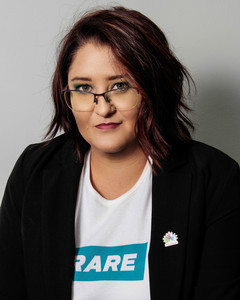
Kelly du Plessis is wife and mother of two children (aged 10 and 11) and the CEO and founder of Rare Diseases South Africa RDSA), a registered NPO.
RDSA was born out of necessity when her oldest child, Juan, was diagnosed with Pompe disease at 11 months old. Pompe disease is a rare, neuromuscular disorder which is fatal if left untreated. At the time, treatment for this rare condition was not available in South Africa, and so Kelly’s personal journey of patient advocacy started.
Having dedicated her life and career to furthering the plight of those impacted by rare diseases in developing countries, Kelly serves on various boards and committees which focus on improving the quality of life for rare patients.
In eight years, Kelly has taken Rare Disease policy and patient advocacy to new heights in South Africa and has presented at various national and international conferences to raise awareness and create a new narrative in terms of treatment and access for rare patients. Understanding the isolation and lack of support surrounding a rare disease diagnosis, providing a safe place for patients as well as families, and improving patient-centred care has become her passion. There are over 6500 patients andfamilies impacted by rare diseases, and Kelly has assisted these individuals and ensured that patients’ voices are not forgotten.
RDSA was born out of necessity when her oldest child, Juan, was diagnosed with Pompe disease at 11 months old. Pompe disease is a rare, neuromuscular disorder which is fatal if left untreated. At the time, treatment for this rare condition was not available in South Africa, and so Kelly’s personal journey of patient advocacy started.
Having dedicated her life and career to furthering the plight of those impacted by rare diseases in developing countries, Kelly serves on various boards and committees which focus on improving the quality of life for rare patients.
In eight years, Kelly has taken Rare Disease policy and patient advocacy to new heights in South Africa and has presented at various national and international conferences to raise awareness and create a new narrative in terms of treatment and access for rare patients. Understanding the isolation and lack of support surrounding a rare disease diagnosis, providing a safe place for patients as well as families, and improving patient-centred care has become her passion. There are over 6500 patients andfamilies impacted by rare diseases, and Kelly has assisted these individuals and ensured that patients’ voices are not forgotten.
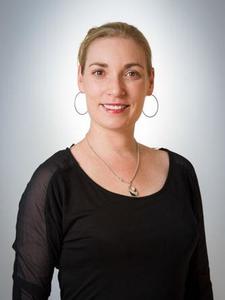
Doctor Marli Dercksen is the chief medical scientist and consultant at the Potchefstroom Laboratory for Inborn Errors of Metabolism (PLIEM) situated at the Centre of Human Metabolomics, North West University, South Africa (SA). Her contributions to IEM diagnostics in South Africa, stretch over a 16 year period and includes the establisment of valuable international collaboration with experts in this field. Her main focus is to facilitate the diagnosis and monitoring of patients with rare metabolic disorders through consultation with health practitioners. Her contributions also include IEM education and creating awareness in rare disorders unique to the SA population. Her current focus is on LSDs, CDGs and peroxisomal disorders. She was involved in the establishment of the first dedicated LSD diagnostic platform in SA as well as the set-up of a much needed IEM biobank located in SA to facilitate prevalence studies and determine disease and therapeutic outcome in African cohorts. She was recently nominated as member of the Health practitioner’s council of South Africa (HPCSA) medical scientist committee in the discipline of clinical biochemistry and was tasked with setting up a specialised training curriculum for scientists in biochemical genetics. The main goal of this initiative is capacity building in laboratory diagnostics for rare inborn errors of metabolism on metabolite and enzymatic level.
Consultant Clinical Scientist – University Hospital Birmingham, UK
Honorary Senior Lector University of Birmingham
West Midlands Regional Chair for ACB (Association for Clinical Biochemistry)
Honorary Senior Lector University of Birmingham
West Midlands Regional Chair for ACB (Association for Clinical Biochemistry)
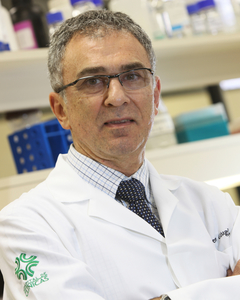
Dr. Roberto Giugliani, MD, PhD, Full Professor at the Department of Genetics of the Federal University of Rio Grande do Sul, is a medical geneticist who founded and is an active member of the Medical Genetics Service of the University Hospital, in Porto Alegre, Brazil. He also founded “House of Rares”, a Brazilian initiative for the care and diagnosis of patients with rare diseases. He is a member of many international committees, consultant for several companies and Head of Rare Diseases of the DASA/GENEONE group. He is also Editor-in-Chief of the Journal of Inborn Errors of Metabolism and Screening, Chairman of the Latin American School of Human and Medical Genetics, and Member of Brazilian Academy of Sciences. He is past President of the Latin American Society of Inborn Errors of Metabolism and Newborn Screening, the Latin American Network of Human Genetics, and the Brazilian Society of Medical Genetics and Genomics, and former Director of the WHO Collaborating Centre for the Development of Medical Genetics Services in Latin America. Prof. Giugliani’s main interests are concentrated in screening, diagnosis, and treatment of inborn errors of metabolism, particularly of lysosomal storage diseases, having being the PI of over 50 clinical trials, supervised the training of over 100 MSc and PhDs, and being author of more than 500 scientific papers.
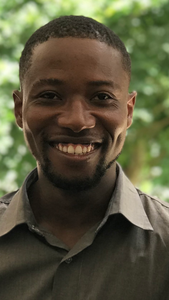
Samuel Wiafe is a Clinical Psychologist in Ghana. He is an alumni of the University of Ghana and has developed interest in advocating and supporting persons living with rare, genetic and congenital diseases in Africa. Samuel has founded Rare Disease Ghana Initiative, a nonprofit organization which is made up of a network of volunteers, clinicians, researchers, patients and caregivers to seek wide endorsement and to advocate for implementation of a plan to support research, education, service development, promote awareness of rare diseases and support for individuals affected by rare diseases in Ghana. Through the leadership of Samuel who also serves as the Executive Director, Rare Disease Ghana Initiative has spearheaded the celebration of Rare Disease Day twice in Ghana, developed a program to assist in access to diagnosis for rare diseases, developed a program to improve access to treatments for rare diseases, established a support group for rare diseases in Ghana, established a professional network (reference network) for rare diseases in Ghana, developed a patient care coordination program, developed a caregiver empowerment program, developed a training program and currently working on developing a registry for rare diseases in Ghana. It is the hope of Samuel Wiafe that Rare Disease Ghana Initiative will develop as a resource center to serve the rare disease community in West Africa and sub-Saharan African region.
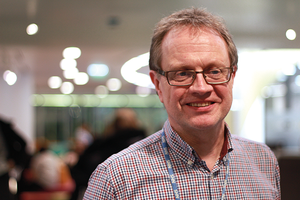
Simon is the Head of the Enzyme and Metabolic Laboratories at Great Ormond Street Hospital and holds the UCL Chair of Clinical Chemistry. He has a strong interest in the diagnosis and monitoring of patients with inherited metabolic disorders. This work is underpinned by a number of basic and translational research projects that are carried out in conjunction with the UCL Institute of Child Health. He has published over 150 papers in the area of mitochondrial, neurotransmitter and lysosomal disorders. Simon is also the Clinical Lead for the Neurometabolic Unit at the National Hospital, Queen Square (UCLH Foundation Trust).
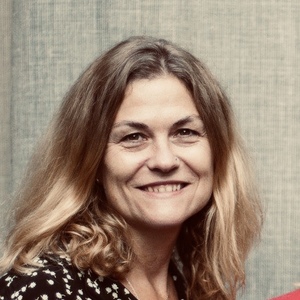
Tanya Collin-Histed became involved in the Gaucher world in 1996 when her daughter Maddie was diagnosed with Type 3 Gaucher disease. A year later she became a Trustee for the UK Gauchers Association and started to support patients and their families with Type II and III Gaucher Disease through family conferences, information booklets and proving friendship and emotional support.
In June 2020, Tanya became a Director of a new company called International GARDIAN Ltd (IGL). The IGL is a company wholly owned by the IGA that will own and govern the new Global patient nGD registry. The Gaucher Registry for Development, Innovation, and Analysis of Neuronopathic disease (GARDIAN) will study patients with GD2 and GD3 worldwide by collecting longitudinal data on self-reported symptom burden, functional status and health-related quality of life (HRQOL) and well-being in a systematic and standardized manner.
Outside of work Tanya’s time is spent preparing for her next triathlon, long swim or SwimRun event, so swimming, running and cycling is where you will find her. She also enjoys a good book.
In June 2020, Tanya became a Director of a new company called International GARDIAN Ltd (IGL). The IGL is a company wholly owned by the IGA that will own and govern the new Global patient nGD registry. The Gaucher Registry for Development, Innovation, and Analysis of Neuronopathic disease (GARDIAN) will study patients with GD2 and GD3 worldwide by collecting longitudinal data on self-reported symptom burden, functional status and health-related quality of life (HRQOL) and well-being in a systematic and standardized manner.
Outside of work Tanya’s time is spent preparing for her next triathlon, long swim or SwimRun event, so swimming, running and cycling is where you will find her. She also enjoys a good book.
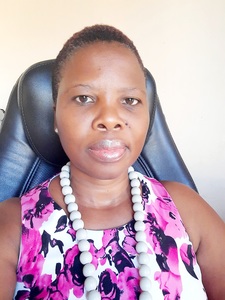
Eda Selebatso is a mother of four children, two of whom have rare conditions. A son with an undiagnosed kidney condition and a daughter with Morqio A (MPS IVA). Eda founded Botswana organisation for Rare Diseases (BORDIS) with her husband after experiencing the challenges that families affected by rare diseases deal with. Eda is the current Chairperson of BORDIS. She holds a PgD in Project Management and a BSc in Biology and Chemistry.
Eda is passionate about human development issues. Her career spans about two decades in the health, conservation, education and mining sectors. During her career she has supported organisations achieve their business goals. Eda has led and contributed to several flagship innovations in her country in her career. Her career was interrupted in 2014 when she resigned to take care of her children and support them through their health challenges.
She continues to apply her skills as a pioneer in rare diseases in Botswana and globally. She serves in different global rare diseases organisations like UN NGO committee for Rare Diseases, Rare Diseases International, International Gaucher Alliance, International MPS Network and International Rare Diseases Research Consortium. She believes a person with a rare condition is equally worthy of life as any human being, and has potential to contribute to society. Eda is currently working on different programs to address health inequities and social injustices that rare disease patients and their families are faced with daily.
Eda is passionate about human development issues. Her career spans about two decades in the health, conservation, education and mining sectors. During her career she has supported organisations achieve their business goals. Eda has led and contributed to several flagship innovations in her country in her career. Her career was interrupted in 2014 when she resigned to take care of her children and support them through their health challenges.
She continues to apply her skills as a pioneer in rare diseases in Botswana and globally. She serves in different global rare diseases organisations like UN NGO committee for Rare Diseases, Rare Diseases International, International Gaucher Alliance, International MPS Network and International Rare Diseases Research Consortium. She believes a person with a rare condition is equally worthy of life as any human being, and has potential to contribute to society. Eda is currently working on different programs to address health inequities and social injustices that rare disease patients and their families are faced with daily.
Hosted By
Recommended