How is commercial marine tackling the fuel crisis?
CONFERENCE ENDED
About This Webinar
Join our interactive roundtable discussion about the crippling cost of fuel and its impact on the commercial marine sector. What are operators doing in these uncertain times to safeguard their businesses against the rising prices – and against it happening again?
This discussion is designed to be interactive, with a live Q&A giving attendees the opportunity to put their questions on the current climate directly to the panel.
Whether you're looking to understand what’s changing or how to respond, this session will provide practical perspectives on what comes next.
Register now to listen and join in on May 7 at 11am (BST).
Presenters
Moderator - Debbie Mason
Editor, Maritime Journal
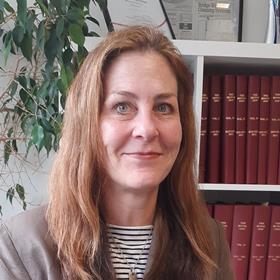
Debbie is an experienced journalist who has edited Maritime Journal for just over four years. She works closely with the Seawork team.
Kerrie Forster
CEO, The Workboat Association
Kerrie Forster is a maritime executive and industry representative, currently serving as CEO of the Workboat Association. The organisation has led major sector initiatives on safety, training, and regulatory engagement, supporting more than 300 marine businesses across the sector. His career spans vessel operations, safety management, industry advocacy and international policy influence.
He has held governance roles in renowned maritime organisations and is recognised for his strategic leadership, collaborative approach, and commitment to building a skilled, diversed, sustainable, future focused maritime workforce.
Leo Hambro
Co-founder & Commercial Director, Tidal Transit
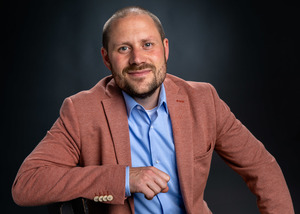
Leo is co-founder and CEO of Tidal Transit who provide a diverse fleet of efficient crew transfer vessels for the offshore wind sector, including the InnovateUK funded 100% electric ‘eGinny’. Despite the existing fleet of diesel vessels, Tidal Transit is pushing hard to shift the offshore wind sector to utilise some of the electricity generated to power the vessels that service the industry.
Menno Kuyt
Managing Director of Maritime Craft Services (Clyde) Ltd
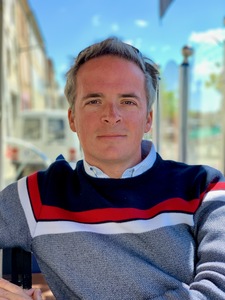
MCS are a family owned company that own and operate crew transfers vessels, Multicats and Shoalbusters.
They operate worldwide with their main areas of operations in NW Europe and the Middle East.
Their fleet is currently 17 vessels with 8 in Europe and 9 in the Middle East.
Dan Freeman
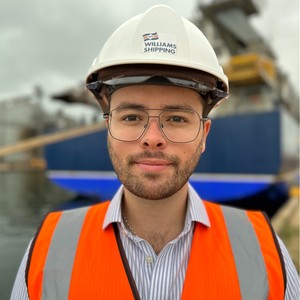
Head of Business Development, Williams Shipping
Dan joined Williams Shipping 4 ½ Years ago after spending 7 years at sea serving as and Engineering Officer of the Watch. His primary responsibility joining Williams Shipping was to look after the customer accounts of the lubricants department, using his technical background to add technical support, monitoring consumption against stock levels and ensuring customers were all satisfied commercially.
2 years ago he was promoted to Head of Business Development for their entire group of companies within Williams Shipping, using the business development and account management experience he'd gained with the lubricants business to support these aspects in all other divisions.
Most recently he has been focused on their lubricant's customers, ensuring our business maintains sufficient stock levels to ensure smooth supply amid the current crisis and managing customer expectations that have had access to lubricating oil same day, short notice and reasonably priced.
Nick Allen
Director, Rix Shipping Co Ltd, Rix Renewables Ltd, Seaway Logistics
Nick has worked for Rix Shipping for almost 15 years following a career at sea with P&O, Blue Star Line and Maersk Line. He started as a Marine Superintendent specialising in safety management and operations before becoming Fleet Manager and then Director of the business.
Rix Shipping operates a small fleet of Crew Transfer Vessels working in offshore wind as well as bunkering vessels which supply fuel on the River Humber and the East Coast of the UK; providing a unique perspective of being both a consumer and supplier of marine fuels and insight into the challenges of both supply and the practicalities of traditional and ‘future’ fuels.