Tuesday 17 November at 12:00 GMT | 07:00 ET | 20:00 SGT
Virtual event | 75-minute masterclass | 15 minutes discussion |Free to attend
About This Webinar
Advancing Wound Care: Evidence-Based Use of Silver from Biofilm to Healing
Explore the evidence. Address biofilm. Support wound progression.
A global virtual masterclass for healthcare professionals working in wound care.
Hard-to-heal wounds present complex clinical challenges that extend beyond bacterial burden alone. Selecting an appropriate antimicrobial dressing requires an understanding of the available evidence, the wound environment and the wider factors that may affect wound progression.
This 75-minute virtual masterclass brings scientific evidence and clinical practice together. An expert faculty will examine the evidence supporting the appropriate use of silver dressings, clarify the differences between antibiotics and silver, and explore the role of antimicrobial stewardship in everyday wound care.
The programme will consider the impact of biofilm, slough, excess exudate and wound-bed preparation on hard-to-heal wounds. Clinical evidence, including randomised controlled trial findings, and practical examples will demonstrate how silver dressings can support the management of hard-to-heal wounds, how they can be incorporated within a wound hygiene strategy, and how regular reassessment can guide decisions to continue, change or step down treatment.
By attending, participants will learn how to:
* Differentiate between antibiotic resistance, antimicrobial stewardship and appropriate antimicrobial use.
* Evaluate the evidence supporting the appropriate use of silver dressings in wound care.
* Describe why hard-to-heal wounds often require more than bacterial management alone.
* Assess the role of clinical evidence, including RCT findings, when selecting antimicrobial dressings.
* Apply a practical framework for wound hygiene, appropriate silver use, reassessment and step-down decisions.
Expert faculty
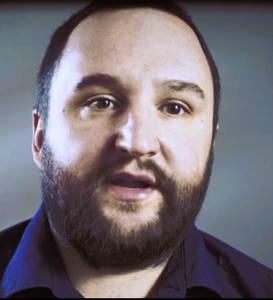
Prof Martin Storck
Clinical framing and practical application
Dan Metcalf
Silver evidence, resistance and biofilm
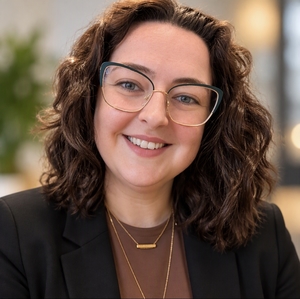
Rebecca Rodger
Clinical evidence and wound progression
Call to action
Register for free
Scan the QR code to reserve your place.
Join healthcare professionals from around the world for an evidence-led discussion designed to support confident, appropriate and patient-focused wound-care decisions.
Tuesday 17 November at 12:00 GMT | 07:00 ET | 20:00 SGT
Virtual event | 75-minute masterclass | Free to attend
Register now to participate in the live expert discussion and audience Q&A.
Kindly supported by Convatec
This activity has been accredited by the European Board for Accreditation of Continuing Education for Health Professionals (EBAC®). EBAC® holds an agreement on mutual recognition of substantive equivalency with the US Accreditation Council for CME (ACCME) and the Royal College of Physicians and Surgeons of Canada, respectively.
Through an agreement between the European Board for Accreditation of Continuing Education for Health Professionals (EBAC®) and the American Medical Association, physicians may convert EBAC® External CME credits to AMA PRA Category 1 Credits. Information on the process to convert EBAC® credit to AMA credit can be found on the AMA website. Other health care professionals may obtain from the AMA a certificate of having participated in an activity eligible for conversion of credit to AMA PRA Category 1 Credit.
Through an agreement between the Royal College of Physicians and Surgeons of Canada and the European Board for Accreditation of Continuing Education for Health Professionals, Royal College MOC Section 1 credits are deemed to be substantively equivalent to EBAC CPD credits.
EBAC® is a member of the International Academy for CPD Accreditation (IACPDA), the World Federation for Medical Education (WFME) CPD Recognition Committee, and a partner member of the International Association of Medical Regulatory Authorities (IAMRA).
https://services.ebac-cme.org/