About
Many adults with ADHD spend years — sometimes decades — receiving treatment for anxiety, depression, or trauma without meaningful improvement. Not because the treatment is wrong, but because the underlying diagnosis was never identified.

Adult ADHD often presents subtly: chronic overwhelm, emotional dysregulation, executive functioning difficulties, relationship strain, and persistent shame. These symptoms are frequently masked by coping strategies or misattributed to other conditions, especially in women and high-functioning adults.

For clinicians, this creates a high-stakes challenge: How do you recognize ADHD in adults when it doesn’t look like the textbook version?

What This Webinar Covers

This clinically focused training is designed to help mental health professionals identify and address undiagnosed ADHD in adults with greater confidence and accuracy.

You’ll explore:
➡️ Why adult ADHD is so frequently overlooked or misdiagnosed
➡️ How ADHD presents differently across gender, culture, and life stage
➡️ The overlap between ADHD, anxiety, depression, trauma, and personality traits
➡️ Practical screening and assessment strategies for busy clinical settings
➡️ Evidence-based treatment approaches for adults diagnosed later in life
➡️ Documentation best practices to support medical necessity and reimbursement

Learning Objectives

By the end of this webinar, participants will be able to:
☑️ Identify key clinical red flags that suggest undiagnosed ADHD in adults
☑️ Apply validated screening tools and collateral strategies effectively
☑️ Differentiate ADHD symptoms from anxiety, depression, and trauma responses
☑️ Adjust treatment planning for adults diagnosed later in life
☑️ Document ADHD-related impairment clearly and defensibly in clinical notes

Why This Matters for Your Practice

Accurately identifying adult ADHD can:
▪️Improve treatment outcomes and client engagement
▪️Reduce chronic trial-and-error treatment cycles
▪️Strengthen therapeutic alliance through validation and insight
▪️Support ethical, defensible documentation and billing

When ADHD is recognized and treated appropriately, clients often experience relief — not just from symptoms, but from years of self-blame.
When
Wednesday, March 11, 2026 · 12:00 p.m. Eastern Time (US & Canada) (GMT -4:00)
Presenters
1769531633-52d3b7a1569a47d5
Don Morrison (he/him)
MSW, LCSW
Donald Morrison graduated from UNC Charlotte in 2004. He has since worked as a school-based therapist, inpatient social work supervisor and outpatient clinician. Donald currently works in private practice, and he is also an adjunct faculty member at the UNC Charlotte School of Social Work. In addition, Donald serves as a clinical supervisor to LCSW associates, and he regularly presents at area mental health conferences and seminars.
1769531591-b79dcb86707fb21d
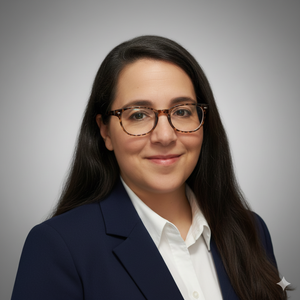
October Boyles
Chief Clinical Officer
Dr. Boyles is a behavioral health expert and clinical leader with extensive expertise in nursing, compliance, and healthcare operations. With a Doctor of Nursing Practice (DNP) and advanced degrees in nursing, she specializes in evidence-based practices, EHR optimization, and improving outcomes in behavioral health settings. Dr. Boyles is passionate about empowering clinicians with the tools and strategies needed to deliver high-quality, patient-centered care.
Reserve Your Spot
Full name*
Email Address*
Phone Number*
Are you already a customer of ICANotes?*
We use BigMarker as our webinar platform. By clicking Register, you acknowledge that the information you provide will be transferred to BigMarker processing in accordance with their Terms of Service and Privacy Policy.