About
Join Dr. Chris Favilla as he discusses non-invasive measurement of cerebral blood flow and potential applications.

Cerebral blood flow optimization is a pillar of clinical management of various neurological conditions. However, continuous non-invasive cerebral hemodynamic monitoring presents a significant challenge even in the most advanced health care settings. Here, we will discuss how biomedical optical imaging modalities are well positioned to address this unmet need. Recent studies will be leveraged to support the idea that optically-derived cerebral blood flow can (1) serve as a surrogate endpoint for early-phase trials aimed at hemodynamic optimization, (2) be used to quantify microvascular reperfusion in stroke, (3) detect large vessel occlusion, and (4) monitor patients at risk of hemodynamic failure. The overarching goal is to highlight the diversity of potential clinical applications to inspire cutting edge research that will ultimately improve the care we provide to patients with cerebrovascular disease.

Key Topics:

  • After endovascular therapy for large vessel occlusion stroke, bedside optical imaging can differentiate microvascular reperfusion

  • High temporal resolution of optical imaging allows for characterization of the CBF waveform, which reveals a multitude of future clinical applications

  • Optical CBF imaging can identify large vessel occlusions among patients with suspected stroke and therefore holds promise as a prehospital stroke care (i.e., patient triage and routing to appropriate stroke centers)

Presenter
1767622911-980efcad65068f63
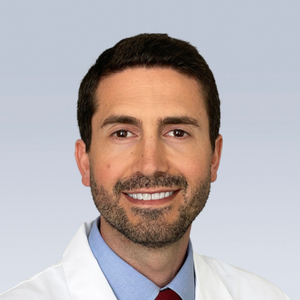
Chris Favilla, MD
Associate Professor of Neurology and Director of the Non-invasive Cerebral Hemodynamic Evaluation (NICHE) Center, University of Pennsylvania
Dr. Chris Favilla completed undergraduate at Penn and medical school at the University of Florida. He completed neurology residency and stroke fellowship at Penn after which he joined the faculty. His clinical practice focuses on acute stroke management, while his research focuses on translation and adaptation of non-invasive hemodynamic imaging modalities. His lab is dedicated to improving acute stroke care by leveraging these innovative bedside techniques to develop novel stroke therapies aimed at optimizing cerebral hemodynamics.
Register To Watch Recording
First Name*
Last Name*
Email Address*
Country / Region*
Job Title*
Organization / Company*
Organization Type*
My Use Case:*
Lab
Clinic
Other
utm_bmcr_source
Registration Terms
This event is hosted by InsideScientific (a Scientist.com company). By registering and participating, you acknowledge that your personal data will be processed by InsideScientific. You also agree to receive email communication from InsideScientific about this webinar and other programs of similar nature. The sponsor of this webinar is Openwater; by registering and participating, you acknowledge that your data will be processed in accordance with Openwater's Privacy Policy. You will receive email communication from Openwater about this webinar and programs of similar interest. You can withdraw your consent at any time from these communications.
Yes, I consent to the registration terms.*
We use BigMarker as our webinar platform. By clicking Register, you acknowledge that the information you provide will be transferred to BigMarker processing in accordance with their Terms of Service and Privacy Policy.