About
Wildfire preparedness is often discussed as a “high-risk vs. low-risk” problem. While places like California and many mountainous regions in the West have higher average risk, averages can obscure what matters most operationally: when and where critical fire danger conditions align. Lower average risk does not mean “no risk”—it often means exposure occurs in shorter, less predictable windows that are easier to miss. For utilities across the country, from large investor-owned utilities to municipal utilities and rural electric cooperatives, building preparedness around that dynamic reality separates reactive response from true operational readiness.

Wildfire risk is inherently dynamic. A few hot, dry, and windy days can quickly shift parts of the East Coast and other traditionally lower-risk regions from typical conditions into elevated fire potential. Technosylva’s continental U.S.–wide analysis examines how the frequency of high fire potential days is changing over time and what climate trends suggest about where these patterns may intensify. Understanding this variability is essential for utilities seeking readiness that reflects real exposure rather than static labels.

In this webinar, Technosylva’s Lead Wildfire Scientist, Dr. Adrian Cardil, and Vice President, Weather & Risk Solutions, Steve Vanderburg, will discuss how to translate dynamic risk into practical action. They will explore what “right-sized” preparedness looks like in practice, including baseline risk assessments, clear operational triggers such as FPI, monitoring and situational awareness workflows, and targeted, cost-informed investments. Topics will also include operational mitigations during elevated conditions, such as enhanced patrols, switching procedures, temporary changes to work practices, and focused hardening measures like vegetation management and selective asset reinforcement, as well as approaches to aligning internal roles and decision-making for consistency and speed when conditions shift.
When
Thursday, April 2, 2026 · 1:00 p.m. Eastern Time (US & Canada) (GMT -4:00)
Agenda
  • How to recognize and plan for dynamic wildfire risk, including short windows of elevated fire potential
  • How to establish a baseline assessment of wildfire exposure across a service territory
  • How to define clear operational triggers using Fire Potential Index (FPI) and other fire danger indicators
  • Practical approaches to ongoing monitoring and situational awareness as conditions shift
  • How to align right-sized mitigation investments with actual risk patterns and cost-informed decision-making
Presenters
1772051677-f435b593a163b45c
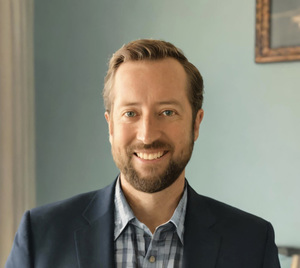
Steve Vanderburg
Vice President, Weather & Risk Solutions; Technosylva
Steve Vanderburg is the Vice President of Weather and Risk Solutions at Technosylva, where he leads efforts to develop advanced weather modeling and risk assessment tools for wildfire mitigation. With over 20 years of experience in meteorology, Steve's career spans significant roles in both the public and private sectors, including 10 years with the National Weather Service and 13 years in the electric utility industry at San Diego Gas & Electric and PacifiCorp. His work was instrumental in shaping the current blueprint for wildfire mitigation within the electric industry, a model that has been widely adopted across the sector. At Technosylva, he continues to pioneer innovative solutions, integrating cutting-edge technology with meteorological expertise to enhance wildfire risk management.
1772133192-8b0ebff06a2fd67a
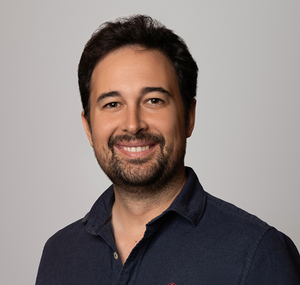
Dr. Adrian Cardil
Lead Wildfire Scientist; Technosylva
Dr. Adrián Cardil is an Associate Professor of Forest Engineering at the University of Lleida, where he earned his PhD with honours in 2015 (PhD Extraordinary Award). He has received international recognition, including the 2022 Early Career Research Award from the International Association of Wildland Fire and the 2017 award for best PhD thesis on wildfires from the Pau Costa Foundation.

Dr. Cardil has published 85 articles in SCI-indexed journals, with significant citation impact, reflecting the influence of his work in wildfire science. He has conducted research with international groups and maintains a broad network of global collaborators.

His research focuses on wildfire risk and forest management, including: (1) developing methods to assess fire risk and inform management strategies; (2) advancing fire behavior, danger, and risk models to better estimate impacts on human life and the environment; and (3) analyzing adverse weather patterns and drivers of extreme wildfires across multiple regions worldwide.

He has also translated scientific research into operational tools and services that support decision-making during fire emergencies. His fire modeling applications are used by leading fire agencies across the Americas and Europe, including CAL FIRE.
1610041755-39bad9dec2e7d3c9
Aaron Larson
Executive Editor, POWER magazine
Aaron Larson joined the POWER team in September 2013 as an associate editor and was named executive editor in 2017. Aaron has a bachelor’s degree in nuclear engineering technology and a master’s degree, specializing in finance. He spent 13 years in the U.S. Navy nuclear power program, advancing to Chief Petty Officer. He has worked at commercial nuclear, biomass, and coal-fired power plants, functioning in operations, maintenance, safety, financial, and management capacities. Aaron holds a Chief A Engineer boiler operator license in the state of Minnesota.
Reserve Your Spot
Full name*
Email Address*
Job title*
Company*
Address*
City*
US State/County*
Zip/Postal code*
Country*
Phone*
Industry*
Marketing Permission
Access Intelligence LLC & Technosylva will use the information you provide on this form to be in touch with you and to provide updates and marketing. We will not share or sell your personal information. You can unsubscribe anytime by clicking the unsubscribe link in the footer of our emails, or by replying to our emails and asking to be unsubscribed. For more information, please read our privacy policy.
Yes, I consent to receiving emails*
We use BigMarker as our webinar platform. By clicking Register, you acknowledge that the information you provide will be transferred to BigMarker processing in accordance with their Terms of Service and Privacy Policy.