Concrete is the most widely used material in transport infrastructure, and one of the largest sources of embodied carbon in road and rail projects. Because these emissions are locked in at the point of construction, reducing emissions from concrete represents one of the most immediate and significant opportunities for transport agencies working toward net zero across Australia and New Zealand.

In this webinar, presenters will discuss the new national guidance from Austroads, outlining practical, evidence-based pathways to lower embodied carbon while maintaining safety, durability and long-term performance. Drawing on case studies from across both countries, the session will demonstrate how lower-carbon concrete is already being delivered, often in the industry.

The webinar will also explore the staged roadmap for action, opportunities within existing standards and the proposed coordinated national approach to support consistent adoption and innovation across the transport sector.

Details About the Webinar

Thursday, 23/04/2026 · 1:00 p.m. Sydney (GMT +10:00)
Cost: Free
Add to calendar

About the Speakers

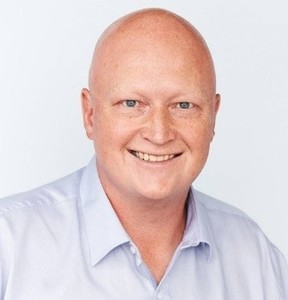
1772514111-37bea72c9ec7647b Philip Vimpani

Philip Vimpani is an Associate Principal at Arup and is their regional materials business leader and APAC skills leader. He has a background of in research, consulting and construction industries and has taken this knowledge to specify and implement requirements for the supply of concrete across many of the major infrastructure projects across the region. He frequently works with specifiers to develop requirements for the adoption of low-carbon concrete in the transportation sector, which has helped him develop a detailed understanding of the opportunities and constraints for adopting low-carbon concrete and using innovative materials in concrete.

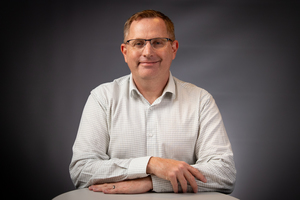
1772514171-ced6a4e2815d7629 Sachinthani Karunarathna

Sachinthani (Sachi) Karunarathna is a materials engineer at Arup with a strong focus on sustainable concrete solutions. Before joining Arup, she completed a Doctor of Engineering degree from the University of Melbourne. At Arup, Sachi has contributed to a wide range of infrastructure projects across Australia, with efforts to advance low-carbon concrete initiatives, influence policy development, and update specifications to support the adoption of sustainable material options.

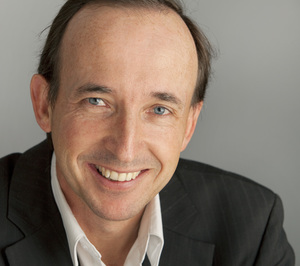
1772590202-eecb5f3109a473e8 Ben van Zanten

Ben van Zanten is a Principal Structural Engineer and Manager of the Bridges Section at the Department for Infrastructure and Transport (DIT). Ben has 26 years’ experience working as a structural engineer, 16 years at DIT and 10 years in the private sector. Ben has worked on a number of major projects for DIT over the years including the Northern Connector, Southern Expressway Duplication and more recently the Glenelg Tram Grade Separation and River Torrens to Darlington projects as DIT’s lead structural engineer. Ben is also a member of the Austroads Bridge Task Force and has project managed “ABT 6190 - Carbon Reduction and the use of Low Carbon Concrete” on Austroads behalf.

1773714732-0c50ad0a6b125c6c Miles Dacre

Miles is a Technical Director with AECOM and has been involved in the field of asset deterioration since 1986, particularly in the assessment of structures, how they deteriorate, their future performance, and in assisting asset owners in managing the risks to their operations and customer service. Over the last 20 or so years of his career, Miles has built on this specialist knowledge of structures and how they deteriorate in different environments, applying it to improving the life cycle of new infrastructure through durability design and advice.

In parallel with that development, he has also worked to build his knowledge of asset management, recognising it as the natural link between his engineering skills and clients’ business requirements for managing their infrastructure assets within a structured risk-cost framework. Similarly, he has been applying his knowledge of materials, particularly concrete, to improve sustainability outcomes on projects by reducing the embodied carbon of construction materials, with a major focus on concrete, while maintaining the required durability and service life performance.

First Name*
Last Name*
Email Address*
Field of Work*
Company*
We use BigMarker as our webinar platform. By clicking Register, you acknowledge that the information you provide will be transferred to BigMarker processing in accordance with their Terms of Service and Privacy Policy.