American Arcadias: Dreams & Realities
Synopsis
In the eighteenth and nineteenth centuries, American architects and artists used the visual arts to explore the relationship between the American colonies and Great Britain. Following independence in 1776, they quickly moved on to express the ideals of the newly-established republic, not only in civic and domestic architecture, but also in painting. Thomas Jefferson understood the cultural possibilities of nationalism and not only led the way, but encouraged others to design suitable buildings redolent of "firmness, commodity and delight". Portrait and landscape artists depicted a new America that was on the one hand rooted in a modest sense of self, yet pleasing to the eye, and on the other proudly topographical as landscape gained in popularity. What better way to mark the inauguration of the 46th President of the United States than to join James Hill for these two timely and pertinent webinars?
Series with two lectures
  • On Demand
    Lecture 1 - Status & Station: Architecture & Portraiture in Colony & Republic
    Friday, February 12, 2021 · 11:00 AM GMT
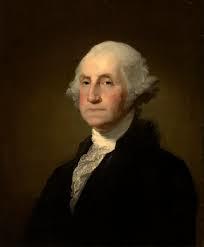
    Eighteenth century architecture in America moved from dependence on British sources, civic and domestic, to a sophisticated grasp of the new ‘neo-classicism’ sweeping Europe in the era of enlightenment and revolution. Simultaneously there was a transition from the sombre portraiture of colonial society to a 'Grand Manner’ elegance which captured America's economic and political rise.
    1612817809-b5dc0bee19017468
  • On Demand
    Lecture 2 - Prospecting the Sublime: The Hudson River School
    Monday, February 15, 2021 · 11:00 AM GMT
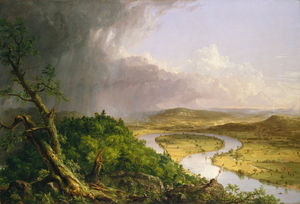
    The early nineteenth century saw the spectacular rise of America’s first native art movement, as the rugged terrain and clear-light of New York’s Hudson Valley inspired two generations of artists who captured America’s untamed nature and its vanishing wilderness. Discover how landscape painting came to dominate America's way of seeing itself for fifty years between 1820 and 1870.
    1612817933-c87e31dd596c351e