About
50 million people are living in modern slavery.
27.6 million people are in forced labor.
US$236 billion is generated in illegal profits every year.


Behind these numbers are criminal networks, forced labor, human trafficking and exploitation that can intersect with legitimate businesses, financial systems and global supply chains.

Modern slavery is not always where businesses expect to find it.

Join Matthew Friedman, CEO of The Mekong Club, and Patrick Gwyther, Market Planning Director for Financial Crime Compliance at LexisNexis® Risk Solutions, for a candid conversation about the hidden connections between modern slavery, human trafficking and financial crime and why the private sector has an increasingly important role to play.

This is not just a compliance conversation


Modern slavery and human trafficking are often discussed as distant humanitarian issues.

But exploitation can sit behind financial transactions, supply chains, labor networks, organized criminal activity and legitimate business ecosystems.

This vodcast goes beyond the terminology to explore what these risks actually look like, how criminal networks profit from exploitation and why businesses may have a greater ability to make an impact than they realize.

The conversation will take viewers from the human reality behind modern slavery to the financial and business systems that can enable it.

It will explore the rise of scam compounds and forced criminality across Southeast Asia, the connections between exploitation and organized crime and the growing role of financial institutions, businesses and the wider private sector.

And ultimately, it will ask a simple question:

If the risk is hiding in plain sight, are organizations looking in the right places?

Why the private sector matters


For years, the fight against modern slavery was seen primarily as the responsibility of governments, NGOs and international organizations.

Today, businesses are increasingly part of the response.

Financial institutions can identify suspicious financial activity. Companies can strengthen due diligence across their operations and supply chains. Analysts, compliance teams and risk professionals can help uncover connections that might otherwise remain hidden.

Addressing modern slavery is not only about managing risk. It is also about recognizing the impact that better decisions can have beyond the organization itself.

About The Mekong Club


The Mekong Club brings together businesses, industry experts and other stakeholders to help create practical solutions to modern slavery and human trafficking.

Its work focuses on engaging the private sector and helping organizations understand how they can play a meaningful role in addressing exploitation.

Presenters
1788423381-abee1dc537901b20
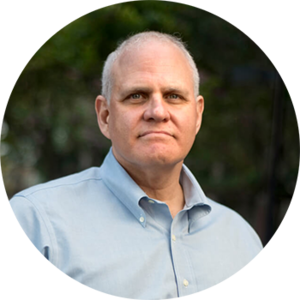
Matthew Friedman
Founder and CEO, The Mekong Club
Matthew Friedman is an internationally recognized expert on modern slavery and human trafficking, with more than 30 years of experience working across the private sector, governments and international organizations. As Founder and CEO of The Mekong Club, he works with businesses to help drive practical action against modern slavery and exploitation. He previously worked with the United Nations and USAID across multiple countries and is also an author and frequent speaker on human trafficking and modern slavery.
1774942456-79bbcb90e8bdef57
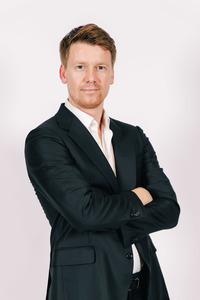
Patrick Gwyther
Director Market Planning - Financial Crime Compliance - APAC, LexisNexis® Risk Solutions
Patrick Gwyther is a financial crime and compliance specialist with extensive experience across sanctions, AML, fraud and risk management. He helps financial institutions and regulated organizations across Asia Pacific navigate evolving threats, regulatory challenges and emerging technologies. Patrick also serves as a Board Member of the Association of Certified Sanctions Specialists (ACSS) Singapore Chapter.
Register To Enter
First Name*
Last Name*
Email Address*
Work Phone*
Company*
Country*
Industry*
Job Title*
LexisNexis Risk Solutions Inc. and its entities may also contact you regarding our products and services as well as the latest industry insights. You can opt-out of our communications at any time via our Preference center .

We respect your privacy.