
Computer Vision, Machine Learning, and Artificial Intelligence for Space Exploration and Science
AI, ML, and CV are widely applicable and in use in many aspects of the space enterprise. Automating ground-based analysis of immense astronomical datasets dates back to the 1990's and continues for both visual and radio astronomy with the Intermediate Palomar Transient Factory, the Zwicky Transient Factory, and Very Long Baseline Array Fast Radio Transients Experiment (V-FASTR) and many others. AI/ML/CV techniques are being pushed to the edge onboard rovers at Mars such as WATCH on the MER rovers and AEGIS autonomous targeting on the MER, MSL, and M2020 rovers. Closer to Earth, such techniques can be used to enable Earth Observing assets to avoid cloudy data and hunt for specific science phenomena such as deep convective storms. In some cases large numbers of assets are networked together to track volcanoes, flooding, wildfires, and other dynamic phenomena. We discuss these use cases, challenges, and lessons learned from decades of deploying AI/ML/CV for space applications.

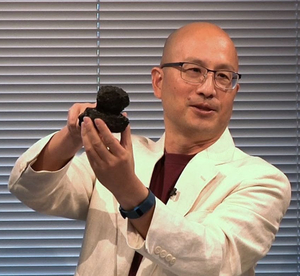
Dr. Chien has received numerous awards for these efforts. He has been recognized four times in the NASA Software of the Year competition (1999, 1999, 2005, and 2011). He has received four NASA Medals for his work in AI for Space (1997, 2000, 2007, 2015). In 2011 He was awarded the inaugural AIAA Intelligent Systems Award, for his contributions to Spacecraft Autonomy.



Our mission
Our mission is to help develop the next generation of machine intelligence specifically focusing on accelerating AI at the edge. For new and groundbreaking start-ups, we want to inspire and inform your journey, and for those giants in the space, we want to provide the tools you need to innovate and continue to propel your growth.
What we do
Since our inception, we’ve achieved a great deal. But we don’t rest on our laurels. We’re constantly looking for ways in which we can evolve and further engage, educate, and inspire our community. Got an idea? Great. We’d love to hear from you.